
Description
Whole wheat (Triticum aestivum) is the world’s most widely cultivated and consumed cereal grain, celebrated for its structural versatility in baking and its dense nutritional profile. As a whole grain, it provides an outstanding source of complex carbohydrates, dietary fiber, essential B vitamins, and trace minerals like iron and magnesium. Culinarily, wheat is the absolute cornerstone of global baking, forming the basis of breads, pastas, pastries, and cereals. Furthermore, extracted wheat proteins and starches are heavily utilized as functional binders, thickeners, and fillers in countless commercial processed foods, including sauces, processed meats, and confectioneries. This massive, ubiquitous presence in the modern diet makes accidental exposure a constant and significant risk for sensitized individuals.
The biological mechanism of a true wheat allergy is complex and involves an aggressive IgE-mediated immune response to one or more of the grain’s four major protein classes: albumins, globulins, gliadins, and glutenins (the latter two combine to form the structural network known as gluten). Other highly significant allergenic triggers include lipid transfer proteins (LTPs, such as Tri a 14) and alpha-amylase inhibitors. It is of paramount clinical importance to differentiate this true allergy from Celiac disease; while Celiac disease is a delayed, T-cell-mediated autoimmune response that damages the gut lining upon gluten ingestion, a true wheat allergy involves an immediate, IgE-mediated histamine release that can affect multiple organ systems simultaneously. Additionally, due to close botanical relationships within the Triticeae tribe, individuals with a wheat allergy frequently exhibit cross-reactivity to rye and barley, as well as certain grass pollens.
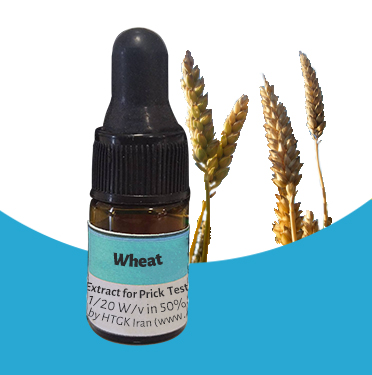
Allergic reactions to whole wheat typically manifest very rapidly, often within minutes to a couple of hours following ingestion or inhalation. The inhalation of airborne wheat flour frequently provokes a severe occupational respiratory condition known as baker’s asthma. Upon ingestion, clinical presentations can span a broad spectrum, ranging from dermatological issues—such as generalized skin hives and severe eczema flare-ups—to acute gastrointestinal distress, including vomiting and cramping. Wheat is also uniquely associated with a severe, specific condition known as Wheat-Dependent Exercise-Induced Anaphylaxis (WDEIA), primarily triggered by the Omega-5 gliadin (Tri a 19) protein, where a life-threatening anaphylactic shock occurs only if the patient exercises shortly after consuming wheat. Utilizing this precise diagnostic kit empowers medical professionals to definitively map the patient’s specific immune pathway, accurately assess the risk of severe reactions like WDEIA, and establish a strict, life-saving dietary avoidance strategy.



Reviews
There are no reviews yet.