
Description
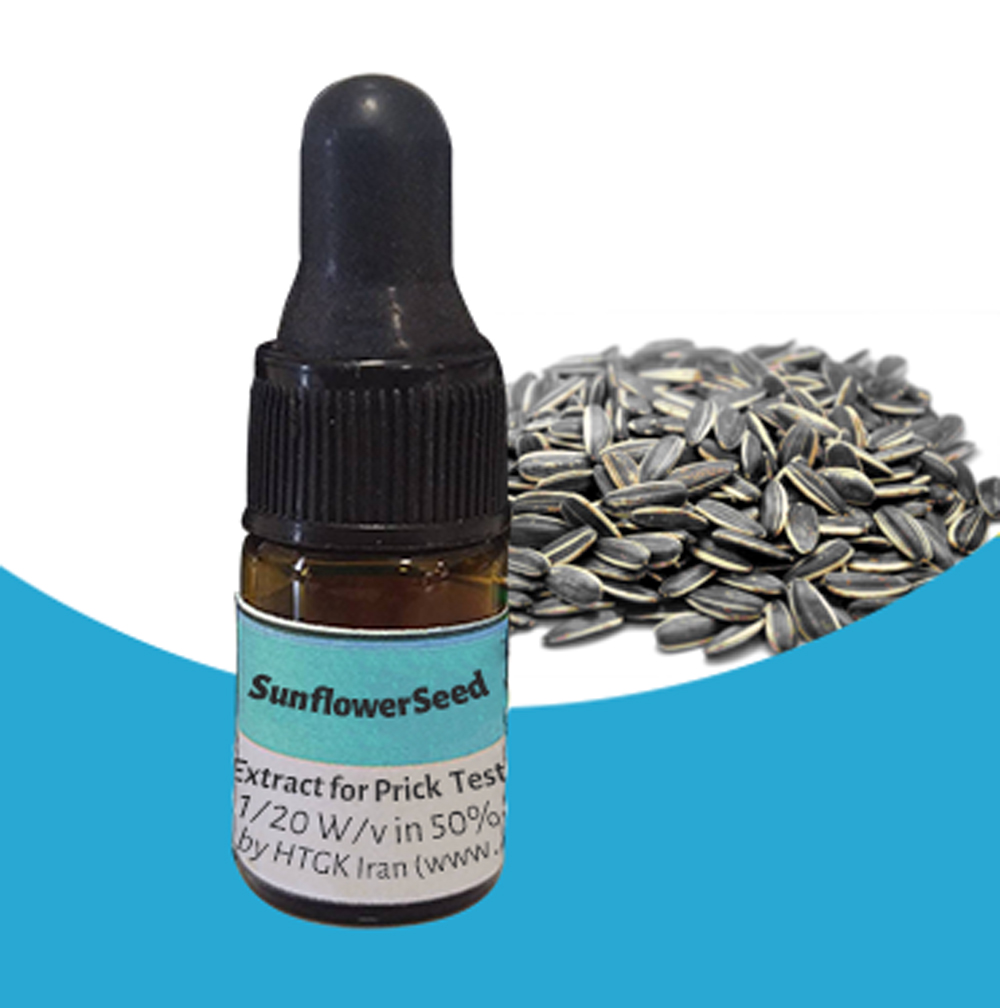
Sunflower seeds, harvested from the distinct flower head of the Helianthus annuus plant, are globally celebrated for their rich, nutty flavor and dense nutritional profile. They are an exceptional source of heart-healthy polyunsaturated fats, plant-based protein, dietary fiber, and potent antioxidants, particularly vitamin E and selenium. Because of these health benefits, sunflower seeds are frequently consumed as a standalone snack, processed into sunflower seed butter (often utilized as a safer alternative for those with peanut allergies), and widely incorporated into multigrain breads, granola bars, and salads. However, their increasing prevalence in the modern food industry also elevates the risk of accidental exposure for sensitized individuals.
The primary biological triggers for a sunflower seed allergy are specific seed storage proteins, most notably the 2S albumins and 11S globulins. These allergenic proteins are structurally highly stable and resistant to both thermal processing and gastrointestinal digestion, meaning that roasting or baking the seeds does not neutralize their allergenic potential. When a susceptible individual consumes the seeds—or sometimes even inhales seed particles from pet birdseed mixtures—their immune system mistakenly identifies these proteins as harmful invaders, triggering the rapid production of specific IgE antibodies and a subsequent release of histamine. It is important to note that while highly refined sunflower oil is typically stripped of these proteins and generally considered safe, cold-pressed or unrefined sunflower oils can still contain trace proteins and provoke dangerous reactions.
Allergic reactions to sunflower seeds typically manifest rapidly, often within minutes of ingestion or physical contact. Symptoms span a wide spectrum of severity, ranging from mild dermatological and localized issues—such as skin hives, eczema, and oral itching—to severe gastrointestinal distress and respiratory difficulties. In highly sensitive patients, exposure to even microscopic amounts of sunflower seed protein can precipitate anaphylaxis, a rapid and life-threatening systemic reaction requiring immediate medical intervention. Utilizing this specific allergy test kit allows healthcare providers to definitively confirm a true sunflower seed sensitization, empowering patients to make strictly informed dietary choices and remain vigilant against hidden seed ingredients in commercial foods.
Reviews
There are no reviews yet.