
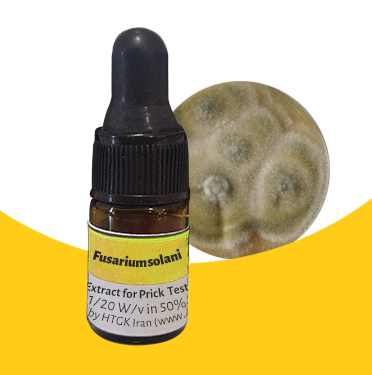
Description
Fusarium solani is a highly resilient mold belonging to a large genus of fungi globally distributed in soil, subterranean environments, and decaying plant matter. While it is infamous in the agricultural sector as a destructive pathogen to numerous commercial crops (such as potatoes, tomatoes, and peas), its impact on human health extends significantly into the realm of respiratory allergy. Beyond outdoor agricultural exposure, Fusarium solani thrives indoors in persistently damp, poorly ventilated, or water-damaged buildings, frequently colonizing potted houseplants, humidifiers, and wet drywall. This dual presence makes exposure a significant occupational hazard for farmers, greenhouse workers, and florists, as well as a hidden domestic trigger for individuals living in moisture-compromised homes.
The biological mechanism of a Fusarium allergy involves an aggressive Type I (IgE-mediated) immune response triggered by the inhalation of aerosolized spores and mycelial fragments. These fungal particles carry potent allergenic proteins, including various proteases and enzymes utilized by the fungus to break down plant matter. Because Fusarium spores are aerodynamically buoyant, they easily bypass the upper airway defenses and penetrate deeply into the human lower respiratory tract. Furthermore, it is of paramount clinical importance to differentiate a true IgE-mediated allergic hypersensitivity from an active fungal infection. Fusarium solani is a notorious opportunistic pathogen capable of causing severe, tissue-invasive infections—such as fungal keratitis (corneal infection) in contact lens wearers and disseminated fusariosis in immunocompromised patients. The diagnostic challenge lies in untangling immune hyper-reactivity (allergy) from physical colonization, as well as addressing potential cross-reactivities with other closely related Ascomycota molds like Alternaria or Aspergillus.
Allergic reactions to Fusarium solani typically manifest rapidly upon inhalation of its airborne spores. Clinical presentations are predominantly respiratory, spanning from allergic rhinoconjunctivitis (profound nasal congestion, sneezing, and intensely itchy, watering eyes) to severe, persistent allergic asthma. In occupational environments with massive spore concentrations, such as grain silos or commercial greenhouses, chronic inhalation can provoke severe asthmatic exacerbations or contribute to complex respiratory conditions. Utilizing this precise allergy test kit empowers medical professionals to definitively map the patient’s specific fungal sensitivities, rule out overlapping mold allergies, and guide patients in implementing highly effective, safe environmental avoidance strategies—ranging from immediate indoor moisture remediation to the use of stringent personal protective equipment (PPE) in agricultural workplaces.
Reviews
There are no reviews yet.