
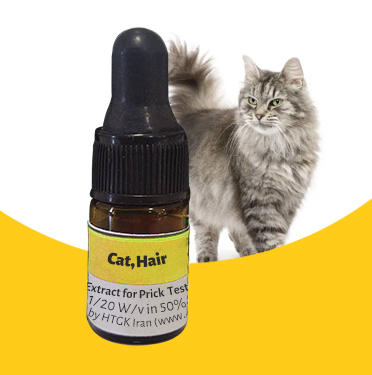
Description
The domestic cat (Felis domesticus, also classified as Felis catus) is a beloved global companion animal, yet it is also a profound source of severe respiratory allergens. While many patients mistakenly believe that the animal’s fur itself is the primary culprit, the true allergic triggers are microscopic proteins secreted by the cat’s biological systems. These proteins are transferred to the cat’s hair and skin during routine grooming and are subsequently shed into the environment as microscopic dander. Because these epithelial particles are exceptionally small, lightweight, and “sticky,” they remain suspended in indoor air for prolonged periods and readily adhere to soft furnishings, carpets, and human clothing. This makes cat allergens virtually ubiquitous, frequently found in high concentrations even in public spaces—such as schools, public transport, and offices—where a cat has never been present, creating a constant, unavoidable exposure risk for sensitized individuals.
The biological mechanism of a feline allergy is heavily dominated by a highly specific and potent secretoglobin protein known as Fel d 1, which accounts for the vast majority of human allergic responses to cats. Fel d 1 is primarily produced in the cat’s salivary and sebaceous (skin) glands. Other clinically significant allergens include Fel d 4 (a lipocalin) and Fel d 2 (feline serum albumin). The clinical identification of Fel d 2 sensitization is particularly vital, as individuals highly reactive to this specific serum albumin may develop a rare cross-reactive condition known as “pork-cat syndrome.” In this unique syndrome, the structural similarity between feline serum albumin and porcine (pork) serum albumin causes the patient to experience severe, IgE-mediated food allergy symptoms, and potentially anaphylaxis, upon consuming undercooked pork products.
Allergic reactions to cat dander typically manifest rapidly upon entering a contaminated environment. Clinical presentations are predominantly respiratory and dermatological, ranging from allergic conjunctivitis (intensely itchy, red, and watering eyes) and severe allergic rhinitis (sneezing and profound nasal congestion) to immediate contact urticaria (sudden skin hives where the cat licked or touched the patient). Most critically, the chronic inhalation of Fel d 1 is a major global catalyst for the development and exacerbation of severe allergic asthma, characterized by acute chest tightness, wheezing, and shortness of breath. Utilizing this precise allergy test kit empowers healthcare providers to definitively map the patient’s specific IgE sensitivities, untangle complex cross-reactivities like pork-cat syndrome, and establish a highly effective clinical management plan centered on environmental control, symptom management, or targeted immunotherapy.



Reviews
There are no reviews yet.